

Most charity campaigns start in the same way. There is enthusiasm, a clear reason to act, a group chat full of ideas, and before long someone suggests a sponsored walk, benefit evening or online auction. Then the real question usually appears: who handles registrations, how do payments come in, where is everything tracked, and how does the organization prevent half the proceeds from disappearing into loose administration?
That is the difference between a sympathetic initiative and a campaign that actually performs. A strong idea helps, but watertight execution determines whether people join in, whether sponsors trust the setup and whether the organization wants to repeat it later. Especially with a charity campaign, the operation has to be right. Donors want ease. Volunteers want clarity. Boards and organizers want control over costs, proceeds and follow-up.
The Netherlands is also fertile ground for this. The willingness to give is high, but that willingness does not surface by itself. It has to be organized well.
Photo: Hannah Busing via Unsplash.
Why a charity campaign is more relevant than ever
An organizing foundation, school or neighborhood group is often already in the starting position. There is a cause, there is urgency and there is a network that wants to help. What is usually missing is a plan that goes beyond the idea alone.
It is no coincidence that charity campaigns resonate in the Netherlands. The tradition of large national campaigns began right after the North Sea flood of 1953 with “Beurzen open, dijken dicht”. That line later developed into SHO, which has organized 45 national campaigns since 1989 and raised around €860 million, according to the history of the Dutch cooperating aid organizations.
The ground is fertile
Current giving culture also shows that well-organized campaigns can count on broad support. According to facts and figures from Goede Doelen Nederland, the share of people donating money or goods rose from 68% in 2021 to 73% in 2022 and 76% in 2023. In 2024, participating charities received almost €1.45 billion from private donors, spent more than €4.1 billion on social causes and directed an average of 90 cents of every donated euro to the social mission. The same source also reports that almost 8.8 million Dutch people support these charities as donors or members and that around 255,000 volunteers are actively involved.
Those numbers are not just interesting. They say something practical. In the Netherlands there is willingness to give, participate and make time. An organizer does not have to invent the entire market first. It mainly has to make participation feel simple and trust feel obvious.
Practical rule: people rarely drop out because of the cause itself. They drop out because of friction, uncertainty or messy execution.
Where things often go wrong
Many campaigns fail not because of a lack of goodwill, but because of operational noise. The call to action is unclear. Registration runs through three channels. Payments arrive in scattered places. Sponsors do not know what they receive in return. And afterwards no one knows exactly what worked.
That is why a charity campaign is more relevant than ever. Not only because giving is widely supported, but because the right setup helps organizations move much faster from loose effort to repeatable success.
From a good idea to a watertight plan
The first mistake is often choosing a campaign format based on enthusiasm rather than fit. A sponsored walk sounds appealing, but it does not suit every audience. An art auction can work well for a cultural network, but not for a primary school that wants to activate many participants quickly. A good charity campaign therefore starts with a match between audience, cause and feasibility.
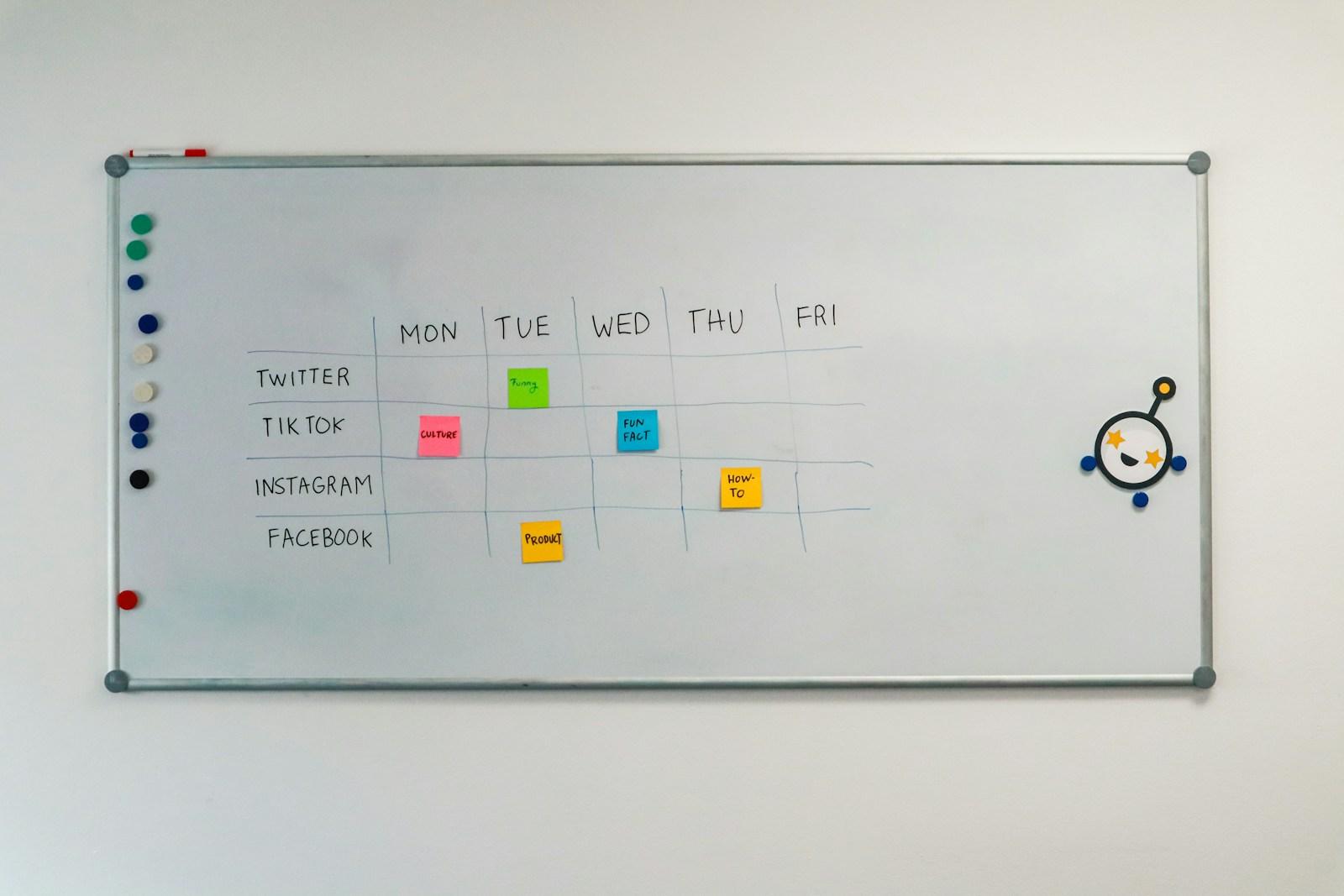
Choose the format before the poster
A campaign format has to do three things at once:
- Get people moving
Think of participating, sharing, donating or sponsoring. If the format needs too much explanation, the inflow slows down. - Stay operationally feasible
A small team should be able to run the campaign without building a separate project office. - Fit the charity logically
A campaign feels stronger when the format matches the mission, the supporter base or the local context.
A school is often better served by a compact sponsored format with clear registration per participant. A neighborhood initiative often works better with an accessible event where meeting and donating come together. A foundation with a loyal network can get more from a benefit evening with ticket sales, table sales or an auction component.
Four questions that must be answered up front
Not every plan has to be extensive, but these questions should not remain open:
| Question | Why it matters |
|---|---|
| Who is the campaign for | The audience determines channel, tone and ticket or donation threshold |
| What is the main source of proceeds | Tickets, standalone donations, sponsorship, sales or a combination |
| Who executes it | Without ownership, everything stays with volunteers who already have too much to do |
| What happens afterwards | Without follow-up, it remains a one-time spike |
A campaign that only sounds fun, but does not answer these four points clearly, usually creates extra work in week two or three of preparation.
A strong plan almost feels boring at the front. That is exactly why it works on the day itself.
Transparency is not a side issue
Donors do not only want to be addressed emotionally. They also want to understand where their contribution goes. According to research by Wilde Ganzen, 60% of Dutch people want insight into what happens with their donation.
That directly affects how a charity campaign should be set up. The appeal needs to be clear, but the destination of the funds also has to be concrete. “The proceeds go to charity” is weak. “The proceeds go to this project, this facility or this aid activity” works better because it is tangible.
A simple planning framework that works
A useful setup consists of five parts:
- Core message
State in one sentence why this campaign exists and what the proceeds make possible. - Campaign mechanism
Decide how money comes in: participation, sponsorship, sales, donations or a mix. - Capacity
Be honest about time, volunteers, location, systems and promotional strength. - Measurement points
Decide in advance what will be tracked, such as registrations, proceeds per channel and sponsor status. - Wrap-up
Plan thank-you communication, reporting and follow-up before the campaign starts.
What does not work is launching first and only then deciding how registration, communication and handling should be arranged. Then improvisation becomes policy, and participants feel that immediately.
Budget, permits and the search for sponsors
This is where a charity campaign often moves from ambition to reality. Not because it has to be complicated, but because every euro and every practical requirement must be clear in advance. If that does not happen, organizers discover too late that a sympathetic idea is operationally expensive, legally awkward or simply too heavy for volunteers.
Work with a sober base budget
A budget does not have to be a spreadsheet monster. A simple structure is often enough, as long as all items are visible.
For costs, think of venue, print, payment processing, technology, materials, promotion, permits and possible security or facility support. For income, think of sponsorship, donations, ticket sales, on-site sales or in-kind contributions that replace cash costs.
A practical approach is to put three scenarios side by side:
- Conservative scenario
Only confirmed income and fixed costs. - Working scenario
The most likely combination of costs and proceeds. - Upside scenario
Including additional sponsors or higher attendance, but without making execution dependent on it.
That last point matters. A campaign should still run well if the dream version does not happen.
Do not forget hidden costs
Most budgets look balanced on paper, but miss small items that suddenly pile up later. Think extra printing, transaction fees, signage, volunteer catering or last-minute material rental.
A short control table helps:
| Item | Often forgotten | Result |
|---|---|---|
| Payments | Transaction or handling costs | Net proceeds are lower |
| Venue | Cleaning or build-up and break-down time | Extra hours or invoices |
| Sponsorship | Return benefits | Extra print, visibility or hospitality |
| Volunteers | Briefing and coordination | Chaos on the day |
Checking permits too late is a classic
Not every campaign needs a permit, but as soon as public space, amplified sound, sales, a temporary structure or alcohol is involved, the municipality should be contacted early. Even a small local campaign can be subject to notification requirements. Waiting until the final weeks is risky because conditions can affect route, timings, layout or safety.
Contact the municipality as soon as the date, location and public format are clear. Then there is still room to adjust without changing the entire setup.
Sponsors want clarity, not vague enthusiasm
Local companies and partners are often willing to support a charity campaign, especially when it is clear what is being asked and what visibility or social value is attached. Still, many sponsor requests fail because the wording is vague and the ask is too broad.
A good sponsor proposal includes at least:
- A concrete goal
Not only the name of the charity, but also the destination of the proceeds. - A clear ask
Money, materials, services, a venue, prizes or promotional support. - A return benefit
For example visibility in communication, mention during the event or presence on location. - A timeline
When the campaign runs, when material is needed and when confirmation is required.
For organizations working with paid access, it also helps to be clear about how ticket costs and possible service fees affect net proceeds. On Tiqqo's pricing page, for example, it is explained how free events, guestlist events and charity events are handled and how paid tickets are priced. That clarity prevents discussion in board and sponsor conversations.
What works and what does not
What works
- A sponsor request with a clear ask
- A small budget with a broad margin for error
- Early alignment with the municipality or venue manager
- In-kind sponsorship for items that would otherwise cost cash
What does not work
- Assuming rules are more flexible “because it is for charity”
- Approaching sponsors without a deadline or return benefit
- Tracking costs only after the campaign has already gone live
- Making financial choices by feel
Setting up ticketing, donations and payments
Many organizers lose unnecessary time in the payment flow. There is a donation jar on site, a payment link in a group chat, a separate form for participants, a spreadsheet for sponsors and somewhere a QR code that nobody manages anymore. That may look flexible, but it is mainly hard to control.

Photo: Gilles Lambert via Unsplash.
One source of truth prevents discussion
A charity campaign runs much more smoothly when registration and payment sit in one central flow. That does not mean everything has to become complicated. It mainly means every payment can be traced and every participant or donor lands in the same system.
In practice, this usually involves:
- Registration or ticketing
For participation, access, time slots or reservations. - Donation flow
For direct gifts, extra contributions or sponsor amounts. - Registration per participant or sub-campaign
Useful for schools, teams, classes or neighborhood campaigns. - Payout and reconciliation
So it remains visible what came in gross and what is available net.
Fast payout matters operationally
In campaigns with a sales or sponsor component, the importance of settlement after the campaign is often underestimated. According to the approach described by Tekenfund, being able to settle directly lowers operational friction and a fast payout cycle makes cash flow more predictable. The same source also shows why digital order capture per participant and batch payout are useful. Without personalized tracking, it is difficult afterwards to determine which participant, class or sub-campaign delivered the most return for the effort invested.
That principle applies beyond school campaigns. For benefit dinners, sponsor campaigns or ticket sales for a charity event, the organization also does not want to spend weeks manually figuring out where income came from.
Loose tools versus an integrated approach
| Approach | Advantage | Disadvantage |
|---|---|---|
| Loose forms and payment requests | Quick to start | Scattered data, lots of manual work |
| Cash only or manual bank transfers | Low technical threshold | Little insight and error-prone |
| Integrated ticketing and payments | Central registration and overview | Requires setup in advance |
| Registration per participant or team | Good analysis afterwards | Only works with consistent input |
An integrated approach is especially strong when several income streams run side by side. Think tickets, standalone donations, sponsor packages and extra contributions during checkout. Then the same campaign is not managed in four different places.
Pay attention to payout logic
When choosing a platform, the organization should not only look at the front end, but also at the financial back end. How quickly is money paid out, how visible are settlements, how are costs processed and who internally has access to that information? Tiqqo's flexible payouts page explains what payout setup is possible inside one ticketing and payment environment. That is relevant for organizers who want control over cash flow without working from loose exports.
A participant notices at the front when payments run smoothly. An organization notices it afterwards, when reconciliation is no longer an afternoon task.
What does not work in practice
A common mistake is leaving online, QR and offline donations in separate registrations. The campaign may look busy, but nobody can reliably say which channel or segment generated the most. That becomes especially painful if the board or a sponsor later asks for a proper report.
That is why it pays to decide before launch what the main route for registration and payment will be. Not on the day itself.
Promoting your campaign and building a community
Promotion is still too often treated as the final task on the list. Make a poster, fill social media, send a press release, done. But a charity campaign only really grows when promotion and relationship-building are set up together.
Reach without registration is a missed opportunity
Many guides get stuck on loose fundraising ideas, but miss the operational side needed to make a campaign scalable. As Doneeractie explains, the blind spot is often building a repeatable community format with registration lists and donor segmentation. That is exactly where ticketing, CRM and communication come together.
The difference is significant. A one-off campaign asks for attention. A community approach builds a base of people who later want to help, buy, share or sponsor again.
A simple communication structure works better than loose inspiration
Promotion does not have to be complicated, but it does need rhythm. A clear structure often has three layers:
- The main message
Why this campaign exists and what participation or donation makes possible. - The activation layer
What someone needs to do: register, buy, donate, share or become a sponsor. - The social layer
Updates, milestones, photos, involved faces and visible progress.
This prevents every piece of communication from sounding the same. Many campaigns only repeat the request for support. Better campaigns also show that something is moving and that joining is easy.
CRM makes the next edition lighter
An organization that records contact details with permission saves time with every next campaign. Not only for email, but also for segmentation. Former participants need a different message than sponsors. Volunteers need a different message than visitors. Partners need a different message than occasional donors.
That also makes promotion less dependent on social media alone. An owned list is calmer, more direct and easier to plan. For organizers who want to connect that to campaign emails, segmentation and event communication, event marketing in Tiqqo is an example of how those functions can come together in one workflow, without separate tools for registration and mailing.
A campaign that only raises money stops after the final amount. A campaign that builds relationships really starts there.
What usually resonates
- Local recognition
People share a campaign faster when it has a face, place or community they know. - Concrete updates
Do not only announce; show what is already happening. - Low threshold
A simple registration or donation flow increases the chance that attention turns into action. - Follow-up per group
Sponsors, participants and volunteers each need their own tone and timing.
Evaluate and learn for next time
The campaign is only truly finished when the organization knows what happened, who contributed and what should be kept for the next edition. Thank-yous are part of that. Donors, participants, volunteers and sponsors do not only want to see a final amount; they also want confirmation that their contribution was visible and used well.
Do not only look back, store what you learned
A good evaluation looks at three things: which channels generated participation, which parts produced the most proceeds and where friction appeared in the process. That only works if data was recorded consistently during the campaign.
That is also the practical value of central registration. In the Netherlands, CBF offers an API for register information, and CBF's data page states that organizers can enrich campaign performance, such as proceeds per channel and donor segments, with validated sector data for benchmark comparison, provided they register consistently with a unique campaign ID.
A short evaluation is enough if it is sharp
Afterwards, work through at least these points:
- Thank and report back
Share proceeds, destination and a short summary of the campaign. - Clean up data
Make sure participants, donors and sponsors remain correctly registered. - Capture lessons
What caused friction, what ran smoothly and what should become standard next time. - Plan the next step
Do not let a community fall silent until the next urgent need appears.
A charity campaign only becomes scalable when every edition becomes the starting point for a better next one. That is not a creative issue. It is operational discipline.
A successful charity campaign is rarely about the most original idea. It is about a plan that works, a payment flow that is clear, communication that builds trust and follow-up that keeps relationships alive. Creativity attracts attention. Operational excellence turns that attention into impact.