

A newsletter mention, an Instagram Story with a temporary Amsterdam location, a brand offering samples, showroom pieces or old stock: at a good sample sale in Amsterdam, the discount is only part of the story. Timing, preparation, selection and access matter just as much.
For shoppers, that means searching smarter and deciding faster. For brands and organizers, it means controlled crowds, clear price communication and a floor flow that does not get stuck at the entrance, fitting rooms or checkout.
What is a sample sale?
A sample sale is a temporary sale of products outside the regular retail cycle. It can include literal samples, but often also showroom pieces, surplus stock, previous seasons and loose sizes.
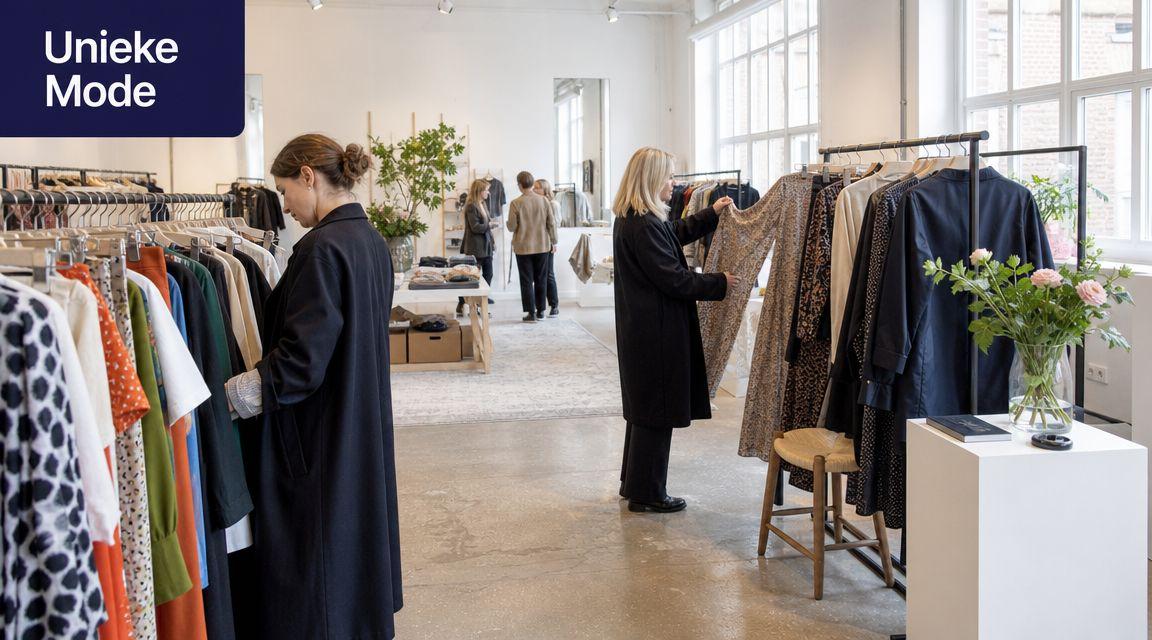
You usually see three categories:
- Samples: trial pieces used for sales, styling or presentations.
- Showroom pieces: items used to show collections to buyers or press.
- Surplus stock: previous seasons, loose sizes or incomplete runs.
A sample sale is not a standard sale rail. There is less predictability, but that is exactly why the chance of a special find can be higher.
Sample sale, stock sale or outlet
An outlet is usually a fixed retail channel. A stock sale or sample sale is more temporary, direct and less standardized. In Amsterdam, the terms sometimes overlap, but the practical rule is simple: the more temporary the event, the more preparation and inspection matter.
The best deal is not always the lowest price. Often it is the piece that is wearable immediately, needs little repair and fits your wardrobe. If you want to understand garment quality and fit better, the guide from Eltink Naaimachines on making your own clothes is a useful related perspective.
How to find current sample sales in Amsterdam
The biggest mistake is waiting until everyone is talking about a sale. By then, popular time slots may be gone or the first hours may be dominated by queues.

Watch three signals:
- Brand communication: newsletters and social posts often reveal the first date or registration link.
- Event platforms and calendars: useful for overview, but always verify the current access status.
- Pre-registration: time slots and confirmations show how crowd flow will be managed.
For a broader view of local events, the Tiqqo discover events page can be an additional starting point alongside brand channels and newsletters.
Strategy for a successful visit
Walking in without a plan sounds spontaneous, but it rarely works at a busy sample sale. Short event windows often create peak pressure at opening.
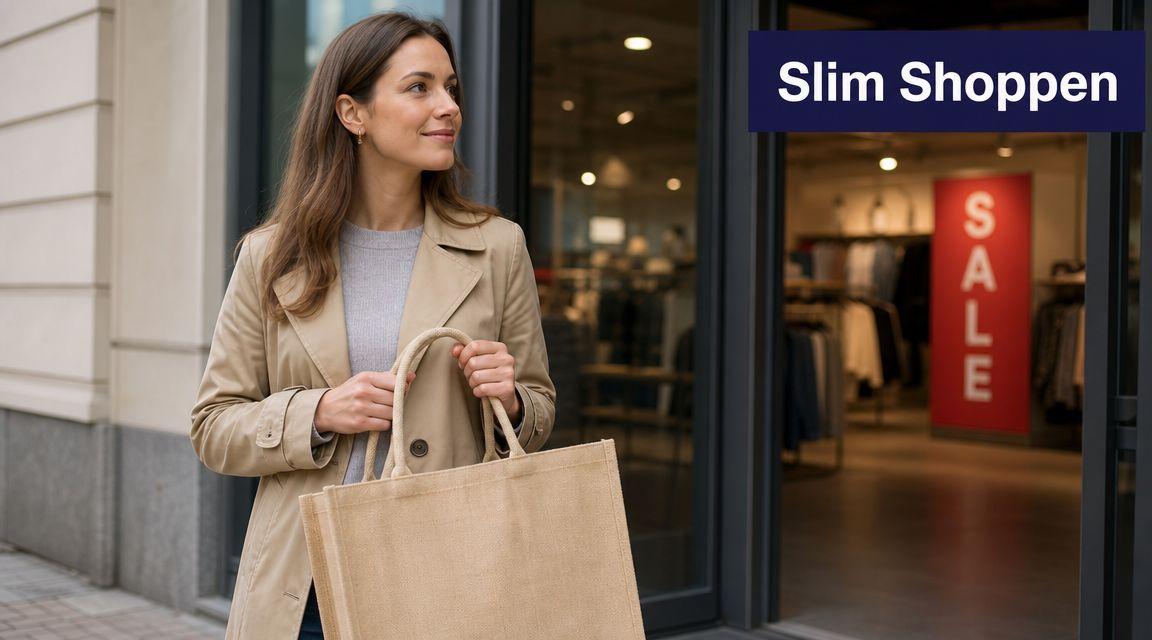
Prepare your visit:
- Choose your priority: coats, shoes, knitwear or accessories.
- Dress practically: easy layers and shoes you can take off quickly.
- Save size information: your own measurements and any sizes you are shopping for.
- Set a budget ceiling: high discounts make impulse buying easier.
A good visit usually follows this rhythm:
| Moment | Smart action |
|---|---|
| Arrival | Orient first, do not fill a basket immediately |
| First round | Scan quickly for category, size and condition |
| Second round | Try or inspect only serious options |
| Final phase | Decide and check out |
The best shopper is not the one who grabs the most, but the one who filters fastest.
Organizing a sample sale yourself
Organizing a sample sale in Amsterdam is not just placing stock in a room. It is a retail event with a hard opening, limited stock, peak pressure and visitors who expect speed.
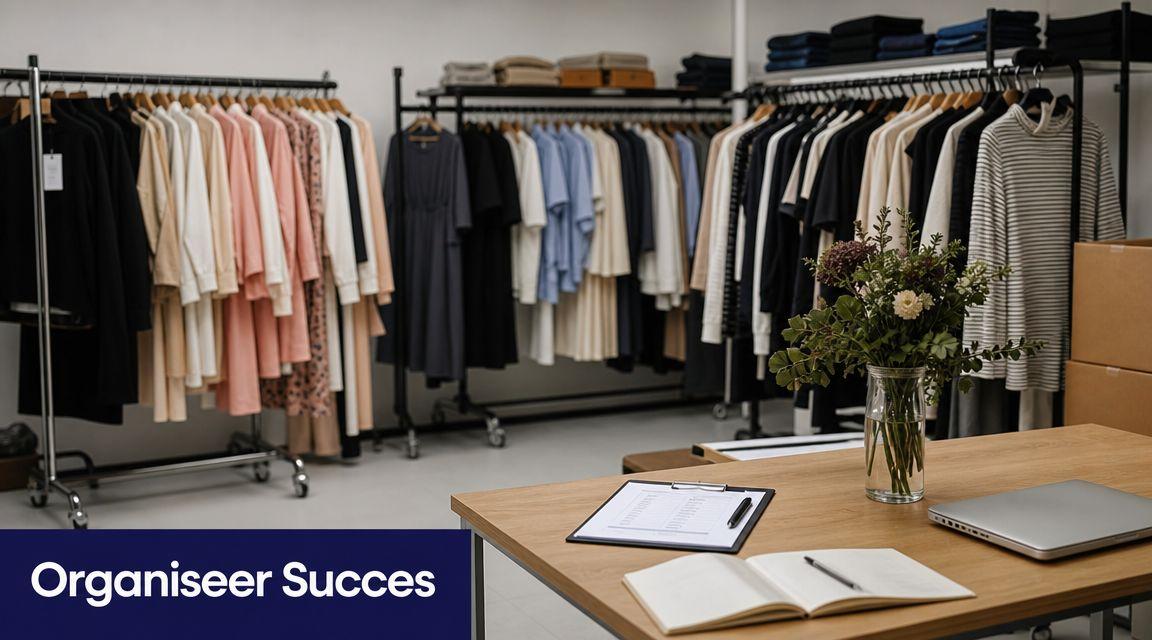
Start with the operation:
- Location with logical flow: entrance, racks, fitting rooms and checkout should not block each other.
- Stock structure before promotion: know what you sell before you communicate.
- Access as a control tool: registrations or time slots help spread demand.
- Clear price communication: distinguish samples, showroom pieces and surplus stock.
For sample sales, ticketing is less about paid entry and more about inflow, time slots and data. With Tiqqo, organizers can create an event, manage access and collect visitor data. The setup starts with the guide to creating and configuring an event.
Promotion without the wrong crowd pressure
A sample sale needs energy, but not a blind rush. Build promotion in layers:
| Phase | Goal | Practical setup |
|---|---|---|
| Early | Measure interest | Save the date and pre-registration |
| Middle | Activate the right audience | Brands, categories and access windows |
| Late | Manage inflow | Reminders, time slots and practical details |
Pre-registration helps measure demand and dose the first wave. That improves both revenue control and the shopping experience.
FAQ
Is a sample sale really cheaper?
Sometimes, but not always. Ask what the discount is based on. Check condition, material, fit and return conditions before paying.
Are returns possible?
Often not, or only in limited cases. Sample sales are temporary and items may fall outside regular retail conditions.
Are there only small sizes?
No, but the supply is less predictable. Samples may have narrower sizing, while surplus stock can be broader.
Conclusion
A sample sale in Amsterdam works best when it is treated as a temporary retail event, not a loose discount moment. Shoppers win with preparation and fast filtering. Organizers win with registration, routing, clear prices and controlled inflow.