
Many organizers try to grow revenue only through regular tickets, while the stronger opportunity often sits in a separate premium layer. Venue capacity is fixed, production costs keep running and visitors compare ticket prices more critically than before. That is where VIP tickets can make sense: not as random luxury extras, but as a product with its own audience, value proposition and operation.
A strong VIP program works only when the full chain is clear: segmentation, package design, pricing, communication, access control and evaluation.
The value of a VIP strategy
Organizers often start with a few perks: a lounge, a separate queue or better seats. That is too narrow. A good VIP strategy designs a higher value perception around the same event without making the regular visitor feel neglected.
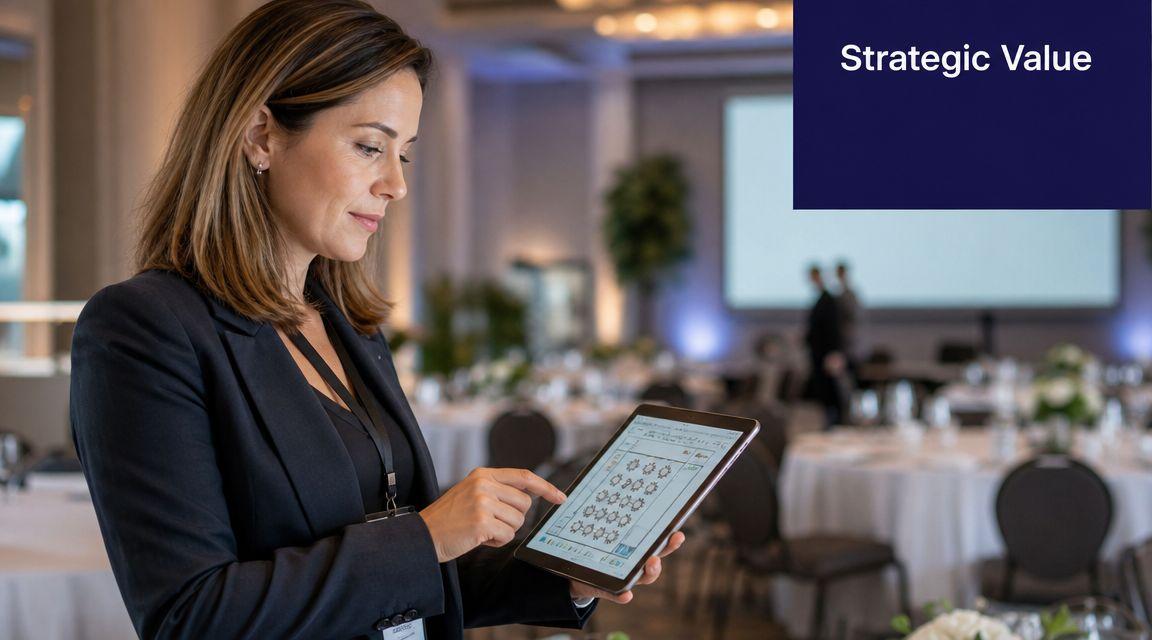
VIP tickets are a product line, not an afterthought. A festival can sell calm and comfort. A conference can sell time savings and networking quality. A concert can sell sightlines, hospitality and smoother entry. The visitor is not simply buying a more expensive ticket, but a different version of the same experience.
That requires thinking from audience segments instead of inventory. A practical starting point is a clear persona model; this explanation of a buyer persona shows how buying motives can be made more concrete.
When VIP tickets make sense
Not every event needs an extensive VIP setup. Sometimes a compact premium layer is stronger: priority entry, a quiet hospitality area, a reserved section or an upgrade for existing ticket holders.
VIP tickets tend to work when:
- the basic experience is already stable;
- an audience segment will pay more for comfort, convenience, status or experience;
- the extra benefits can actually be delivered;
- the team knows exactly how regular and premium access differ.
They work less well when the regular experience is already under pressure. If queues, routing or seating are unclear, VIP can feel like an escape from friction that should have been solved in the base experience.
Designing VIP packages that sell
A VIP package does not sell because it contains many items. It sells because the elements fit together and create immediate value for a specific visitor.
Four buying motives appear often:
- Comfort: less waiting, more space, better seat or standing area.
- Convenience: faster entry, easier routing and clear service points.
- Status: exclusive zones, limited availability or visible premium access.
- Experience: hospitality, extra program moments or personal attention.
Business events often benefit from calm and service. Music and entertainment events may depend more on sightlines, fast access and hospitality. Build the package around one dominant motive, with only a few supporting elements.
VIP package examples
| Package type | Main benefit | Best for | Price level |
|---|---|---|---|
| Early access | Faster entry and early access | Events with queues or free seating | Low |
| Premium seat | Better view or fixed place | Concerts, talks, theatre, sports | Mid |
| Hospitality | Lounge, food, drinks or host service | Business, culture, premium audiences | Mid to high |
| Experience | Extra program or exclusive activation | Fan events and brand activations | High |
| VIP upgrade | Extra benefits on top of an existing ticket | Existing buyers who want to upgrade | Variable |
Be concrete in the ticket copy. Do not write "exclusive access" if it is unclear what that means. Describe the actual situation: reserved section, raised deck, limited-capacity lounge or fast lane during a specific time window.
Pricing strategy for VIP tickets
VIP ticket pricing is often based on a simple calculation: regular ticket price plus the cost of extra perks. That gives a useful floor, but rarely the best selling price. Visitors value convenience, comfort, exclusivity and certainty differently from physical costs.
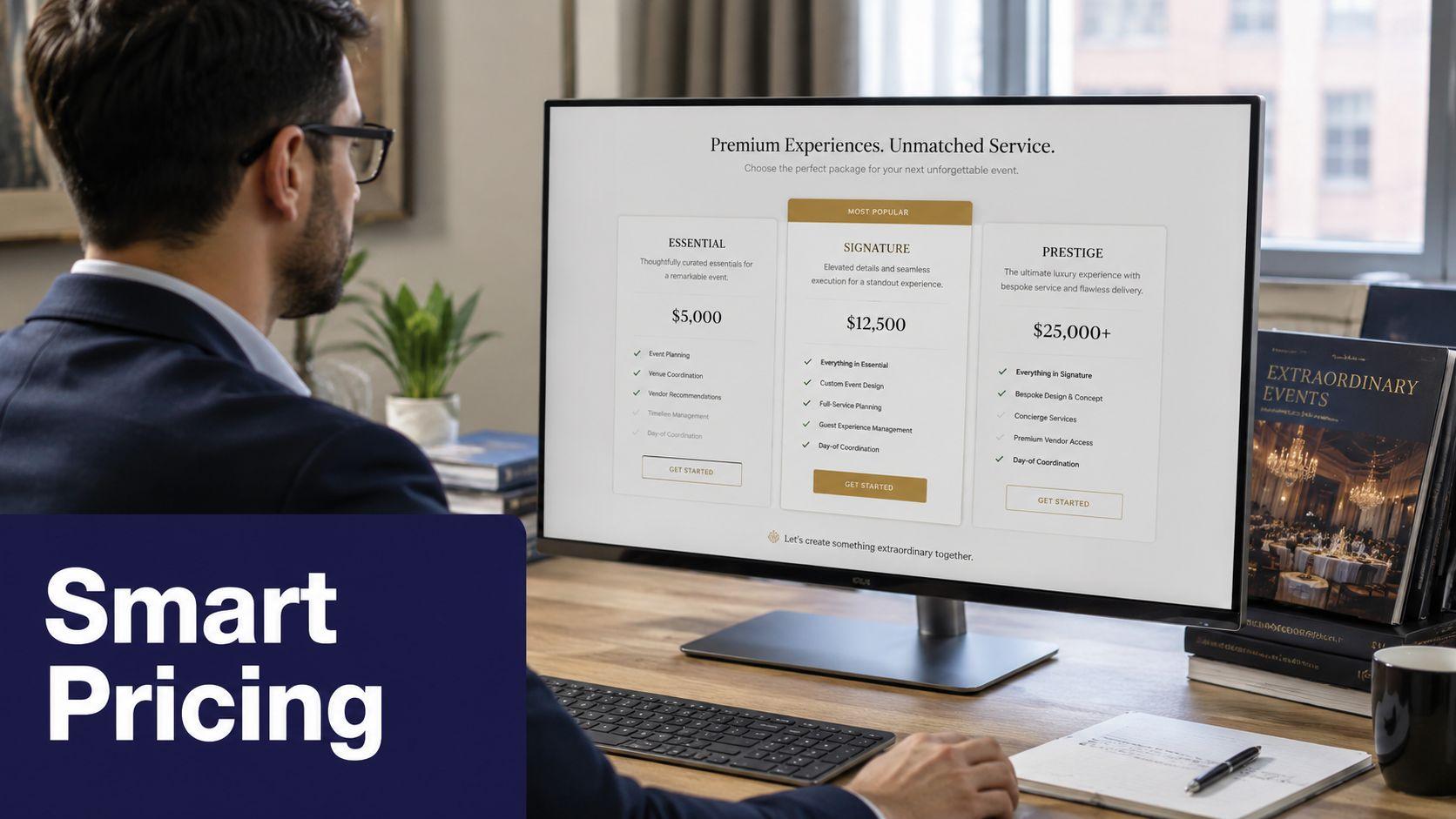
Use three angles:
- Cost-plus: calculate extra costs for space, hospitality, staffing and fulfilment.
- Value-based: identify what the audience experiences as the real value.
- Package anchoring: place several premium layers next to each other when operations can support them.
Eventbrite has reported growth in VIP activity on its platform while many organizers still do not treat premium options as a top priority (Eventbrite event statistics). The practical lesson is to treat premium offers as revenue architecture, not as a loose upsell.
Marketing and sales
Many VIP products fail on distribution rather than content. They are shown to everyone, while in reality they are relevant to only part of the audience. The message then feels too expensive for one group and too vague for another.
A good VIP campaign starts with segmentation: previous buyers of higher categories, early buyers, partner relations, returning business guests or fans with clear engagement signals.
Strong VIP copy includes:
- a concrete benefit instead of general luxury;
- a clear boundary of what is included;
- relevant context for the segment;
- credible scarcity when capacity is truly limited.
With event marketing and audience segmentation, organizers can target groups based on behavior, purchase history and campaign response instead of sending VIP communication to the entire database.
Technical setup and event day
A VIP program can be commercially strong and still fail on event day. The cause is usually unclear product structure. For the door team, one visitor, one scan moment and one decision matter: which rights does this person have?
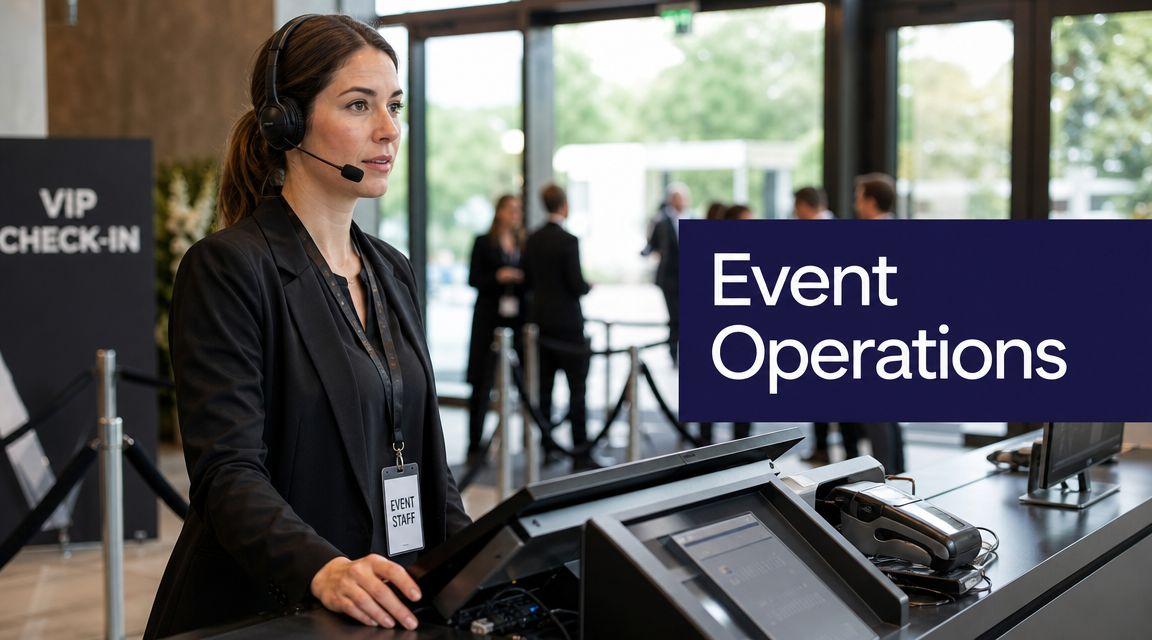
Build VIP as a separate product layer:
- separate normal access and VIP rights in scan logic;
- make routing visible for regular, premium, guest list and upgrades;
- use ticket names the team understands instantly;
- document exceptions before doors open;
- train scenarios such as duplicate scans, standalone upgrades and wrong queues.
Upgrades need special care. They should clearly add benefits without automatically replacing the regular access ticket. The operational foundation is explained further in this guide to event access control systems.
Post-event evaluation
The strongest learning happens after the event. Look beyond revenue and study friction. Which packages sold well? Where did questions appear? Which benefits were valued? Where did the door team struggle?
Evaluate at least:
- the sales ratio between regular and VIP;
- revenue and margin per package type;
- support questions and complaints about included benefits;
- pressure on entry, hospitality and zone management;
- feedback from VIP guests and the team.
The best optimizations are often small: sharpen a package name, mark a zone more clearly, move a benefit from main perk to extra or stop selling an upgrade without a clear access frame.
Conclusion
Treat VIP tickets as a loose upsell and you usually miss both revenue and experience. Treat them as a product line with a clear audience, benefits, price and operation, and the offer can improve with every edition.
Tiqqo helps organizers manage ticket types, sales phases, audience segments, campaigns and access control together. That makes VIP sales more commercial and more realistic to run on event day.