
A cultural event often starts with an artistic idea, a local partnership or the wish to connect people with culture in a new way. Soon after that, the operational questions arrive: venue, budget, programming, permissions, ticketing, communication, audience data and access all need to line up.
That is why organizing cultural events requires more than creativity. You are building an experience where content, audience and operations support each other. This guide explains the main event types, the audience trends to watch toward 2026 and the practical systems that keep cultural events manageable.
From idea to cultural impact
A strong cultural event has a clear promise. Visitors need to understand what they will experience, why the moment matters and how they can secure their place. That applies to a small exhibition as much as to a multi-day city festival.
Define the basics early:
- Content: what story, theme or program is at the center?
- Audience: who is the event for and what do they expect?
- Format: does the venue, capacity and duration match the experience?
- Process: how smooth are ticket purchase, communication and entry?
When these decisions are clear, marketing, ticketing and production can work as one system instead of separate tracks.
What are cultural events?
Cultural events are organized gatherings built around art, heritage, music, theatre, literature, film, design or local culture. They can be commercial, educational, community-driven or mission-led.
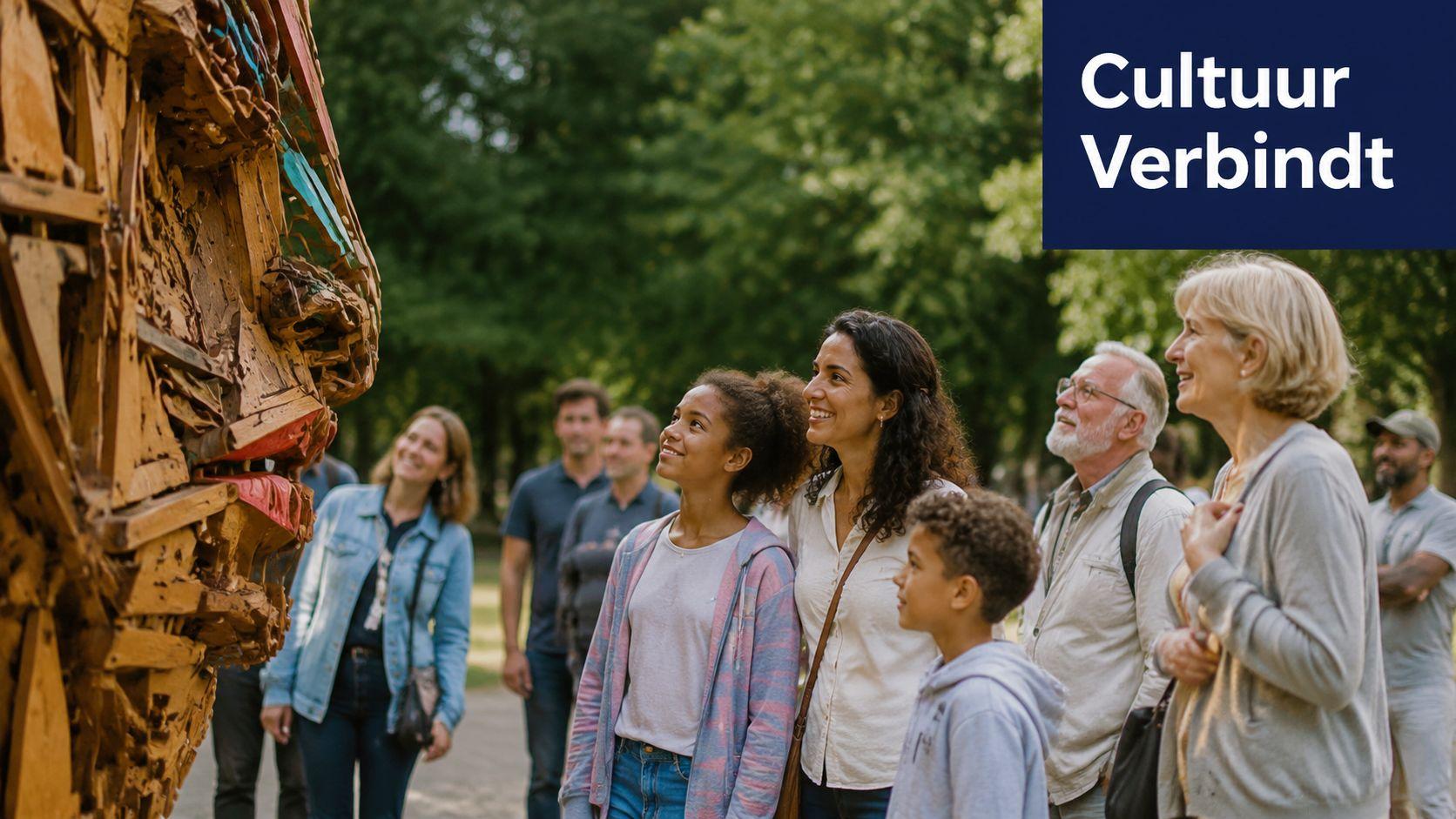
Examples include:
- exhibitions, gallery nights and open studios;
- theatre, dance and performance programs;
- concerts, live club nights and cultural festivals;
- talks, film screenings and literary evenings;
- heritage routes, neighborhood projects and educational culture days.
Audience research consistently shows that cultural participation is not uniform. Motivation, age, education, social context and accessibility all influence whether people attend. For organizers, that means designing not only the program but also the full visitor journey.
The many forms of cultural experience
Cultural events vary widely in scale. An intimate performance for fifty visitors has different needs than a city festival with multiple stages. Yet both share one trait: visitors are buying expectation, not only admission.
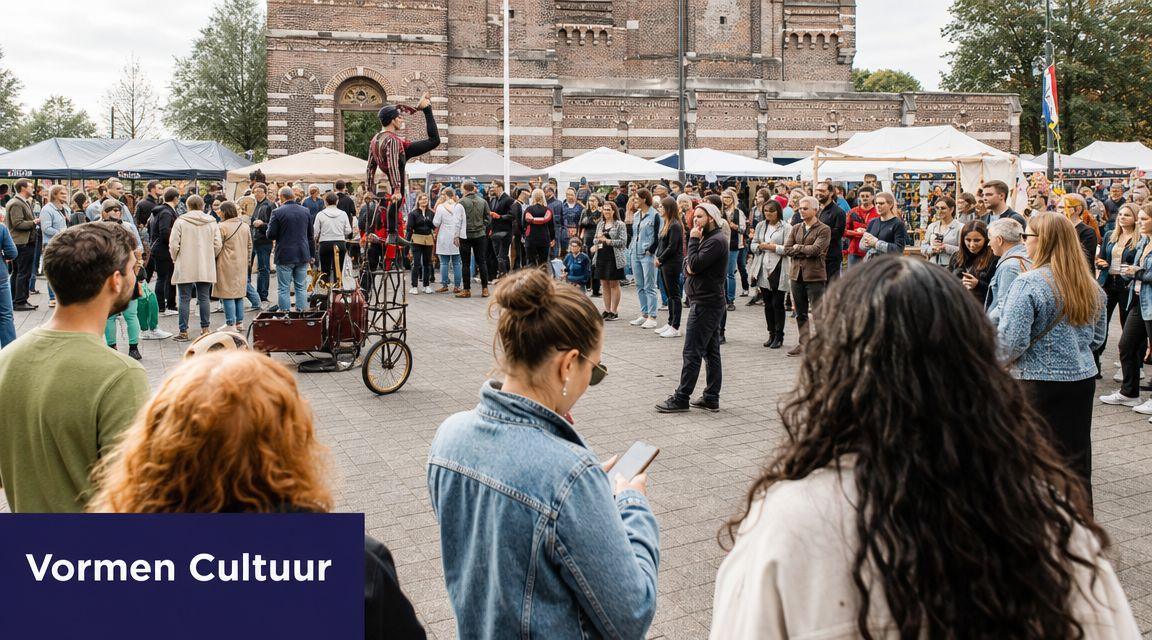
Small events often rely on proximity and personal contact: an artist talk, spoken-word night or chamber concert. Larger events place more pressure on routing, crowd management, clear information and fast entry.
Market publications such as Respons' festival updates can help organizers compare their planning with broader audience trends. Use those signals as context, then validate them with your own ticketing and campaign data.
Audience trends toward 2026
Audiences expect more flexibility. People decide later, compare more options and want direct answers about the program, location, price, accessibility and ticket conditions.
Key trends include:
- Hybrid discovery: visitors find events through social media, email, search, friends and local platforms.
- Data-informed programming: ticket data and email engagement reveal interests and audience segments.
- Accessibility: clear information about venue access, language, sensory considerations and mobility matters more.
- Community over one-off sales: repeat attendance comes from relationship management, not advertising alone.
- Mobile tickets: visitors expect tickets in their inbox and on their phone, with smooth scanning at the door.
The Dutch Culture Monitor shows that cultural participation is broad but can be unevenly distributed. Audience development is therefore a long-term responsibility. You are not only selling tickets; you are building trust with the communities you want to reach again.
How to organize a cultural event
Practical planning starts with a realistic schedule. Bring artistic choices, audience goals, ticket prices, capacity and communication into one operating plan.
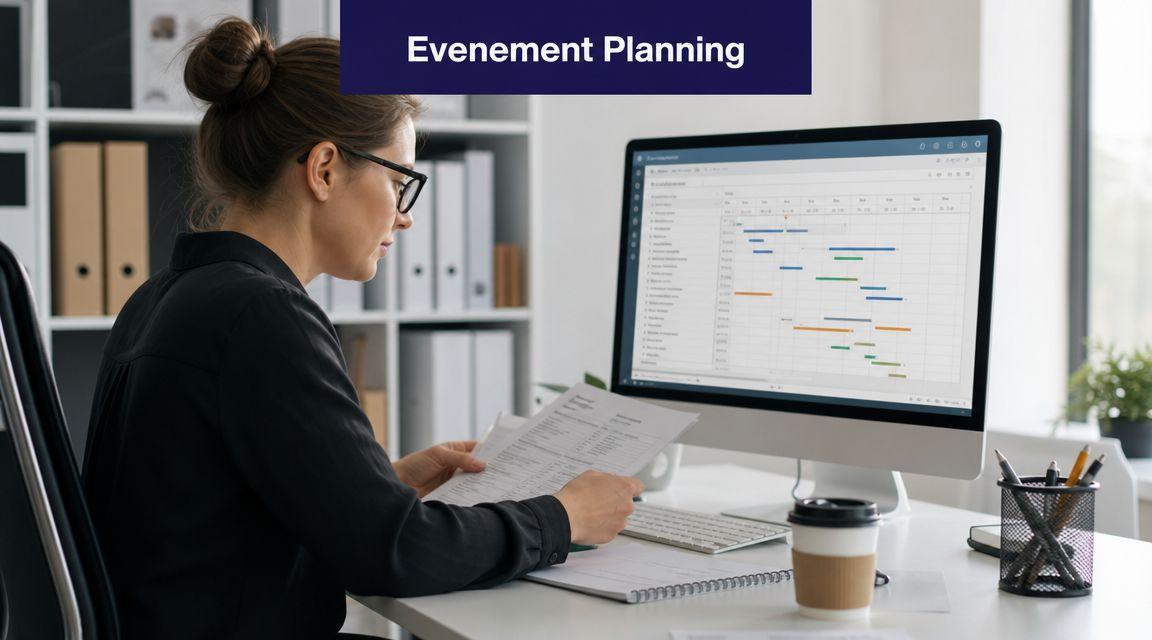
Cover at least these areas:
- Program and timing: when does ticket sales start, when is the program announced and when do reminders go out?
- Capacity and pricing: which ticket types exist, and will you use early bird, discounts or passes?
- Promotion channels: which audience will you reach through email, social, partners, press and local networks?
- Access: how many scan points are needed and who handles exceptions at the entrance?
- Reporting: which numbers do you want to compare after the event?
The technical foundation starts with a well-configured event. In Tiqqo, you can create an event, configure ticket types and prepare sales moments with the guide to creating and configuring an event.
Promotion and long-term audience relationships
Promotion works better when you stop sending everyone the same message. Cultural audiences may include loyal visitors, local residents, creators, students, partners, press, donors and last-minute buyers.
A strong campaign combines:
- a clear message for each audience segment;
- visuals that show both atmosphere and content;
- a sales timeline with logical phases;
- email campaigns for warm audiences;
- partner communication for local or thematic networks.
Privacy matters here. Cultural organizations often work with audience data, consent and mailing lists. Practical guidance from organizations such as DDMA can help teams handle GDPR questions responsibly. In Tiqqo, you can prepare targeted communication with the guide to planning an email campaign.
Ticketing, CRM and access tools
A cultural event feels professional when visitors barely notice the operational layer. Buying a ticket, receiving confirmation, arriving, scanning and entering should feel obvious.
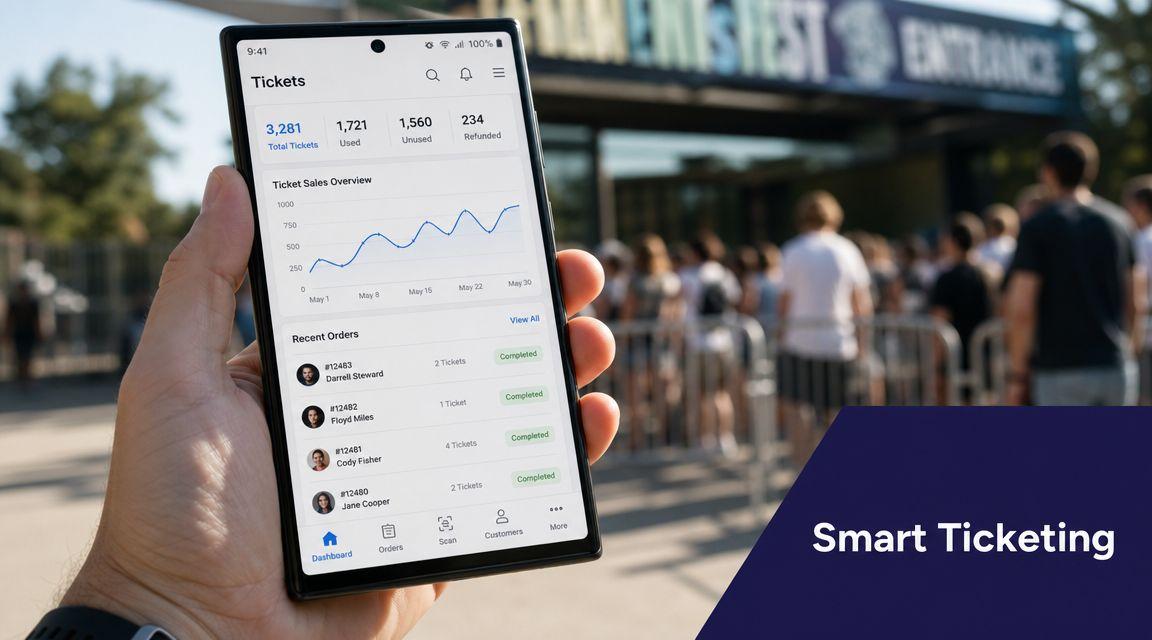
An integrated setup helps. Ticketing, email, visitor data and access control should not end up in disconnected spreadsheets. With one platform you can:
- manage ticket types and capacity;
- set discounts and sales phases;
- segment visitors for campaigns;
- scan QR codes at the entrance;
- analyze sales and attendance after the event.
For entry management, QR code tickets are a practical standard. They reduce manual work, improve control at the door and make reporting more reliable.
Conclusion
Cultural events work best when artistic content and operational execution strengthen each other. A strong program attracts attention, but a clear sales process, targeted communication and reliable entry determine whether visitors arrive without friction and want to return.
For cultural events in 2026, organizers benefit from a platform that brings ticketing, campaigns, audience data and access control together. That leaves more room for the purpose of the event: culture that actually reaches people.